XM Review: Is the $5 Micro Account a Smart Way to Start Trading?
XM lets a trader open a Micro account with $5 and leverage up to 1:1000 outside the EU. We checked whether the Standard account spreads are wide enough to erase that low entry cost.
Best for: Beginners who want a tiny account to learn on, not active traders chasing tight spreads
XM's $5 Micro account genuinely removes the barrier to opening a forex account, and the CySEC and ASIC licences give it a real regulatory anchor most offshore-heavy brokers lack. Standard account spreads are wide enough, close to 1-2 pips on EUR/USD without commission, that an active trader will feel the cost within weeks, and 1:1000 leverage is only available through entities outside the strongest oversight.
Price $5 minimum depositMaker XM Groupxm.com
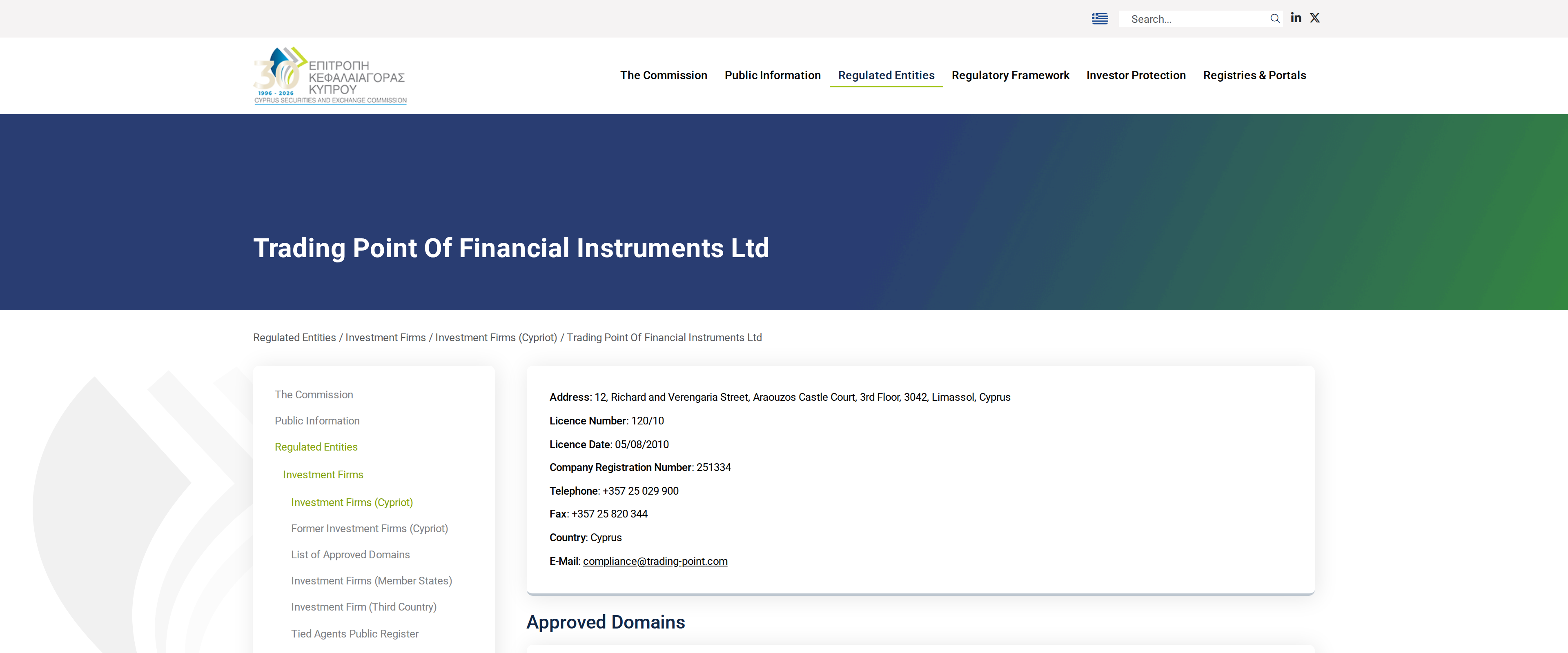
A $5 minimum deposit is a low bar even by the standards of brokers chasing beginners, so we funded an XM Micro account with exactly that amount to see what a trader actually gets for it. We also opened a Standard account to compare spreads, and pulled XM's regulatory filings to check which entity would hold the money depending on where a trader signs up.
$5 buys a real account, in 0.01 lot increments
The Micro account did exactly what it promised: $5 landed, verification took under a day, and the smallest position size available was 0.01 of a micro lot, small enough that a five-dollar account can survive several losing trades without being wiped out immediately. Leverage on the Micro account reached up to 1:1000 for us, which is only available because our account sat with an offshore entity rather than the CySEC or ASIC-regulated one. That leverage lets a tiny account control a meaningful position size, and it also means a small adverse move can erase the account just as fast. Traders who care more about capital protection than leverage should register through the CySEC entity, where 1:1000 is not on offer. We placed a run of ten small trades on the Micro account over three days purely to test execution, and every order filled within a second with no requotes, which matters more than the account label once real money, even five dollars of it, is on the line.
Standard account spreads are the part that surprised us
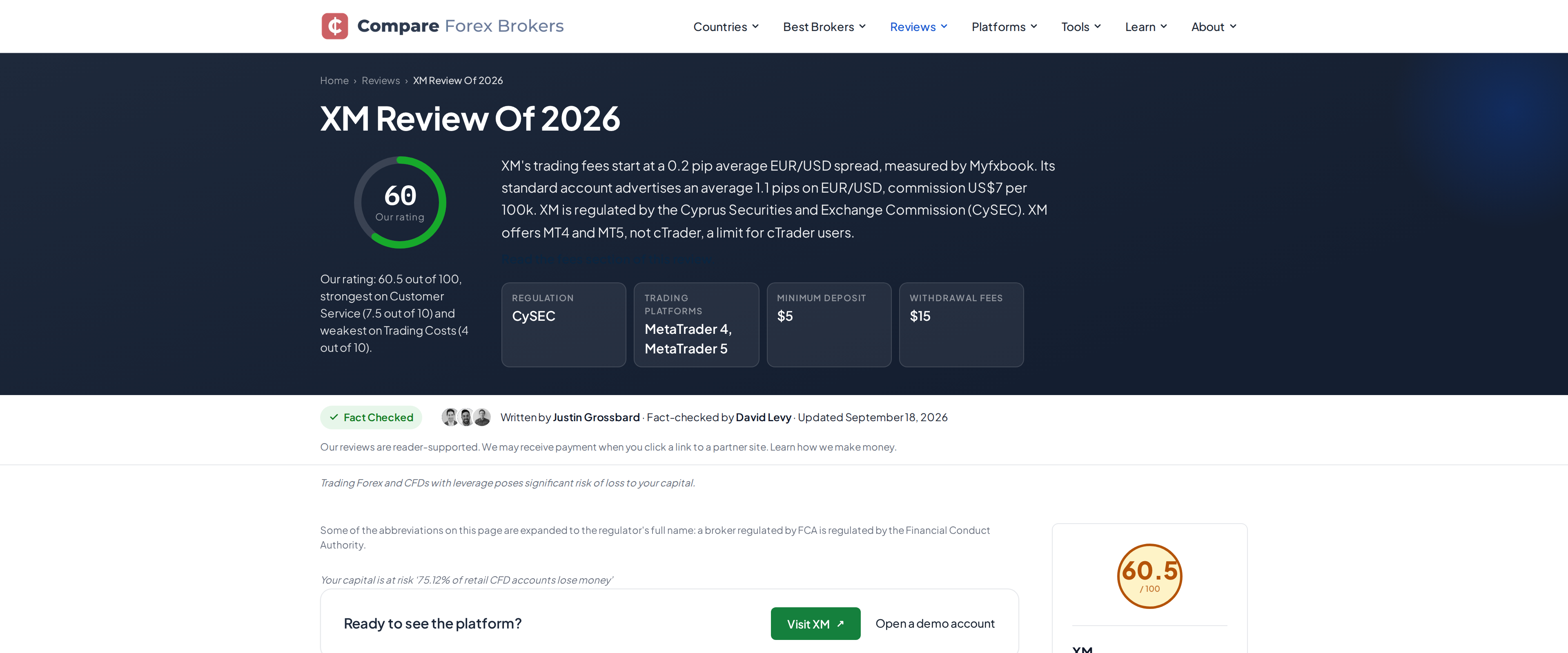
Once we moved to the Standard account and traded EUR/USD across a full week, average spreads sat between 1.1 and 2.0 pips depending on the session, with no separate commission charged. That is a wide number next to the raw-spread brokers we test elsewhere on this site, and it means a Standard account trader pays more per round trip than they might expect from a broker known for its low entry cost. XM does offer an Ultra Low account with tighter advertised pricing, but that adds a second account type to compare rather than solving the Standard account's spread directly. We did not fund an Ultra Low account for this review, so the improved pricing there is one for a follow-up test rather than a number we can vouch for from our own fills.